Buying a hot tub means choosing between three categories: an inflatable hot tub (€300 to €800), a hardshell outdoor model (€3,000 to €10,000), or a built-in spa (€8,000 to €25,000+). The right choice depends on your budget, how many people will use it, and whether you want year-round use or just summers.
Inflatable hot tubs: the affordable entry point
An inflatable hot tub is the most accessible way to enjoy a home spa experience. Brands like Lay-Z-Spa (Bestway), Intex, and MSpa offer models from €299 to €799. Diameters run from 152 to 216 centimeters, seating 2 to 6 people.
The advantages are the low price and flexibility: you set it up in 30 minutes and store it away at the end of the season. Modern inflatable hot tubs heat water to 40°C and feature an air massage system with 100 to 180 air jets.
The limitation is insulation. The thin inflatable walls retain heat less effectively than hardshell models, leading to higher energy costs. In winter, energy consumption can reach 4 to 5 kWh per day. Inflatable models also lack underwater hydrotherapy jets; they only produce air bubbles from the base.
Best inflatable hot tub brands
Lay-Z-Spa (Bestway) has the widest range and the best parts availability. Intex offers comparable quality at slightly lower prices. MSpa stands out with round designs and better insulation values. Always choose a model that includes an insulated thermal cover: this saves 30 to 40 percent on energy costs.
Hardshell outdoor hot tubs: a better long-term investment
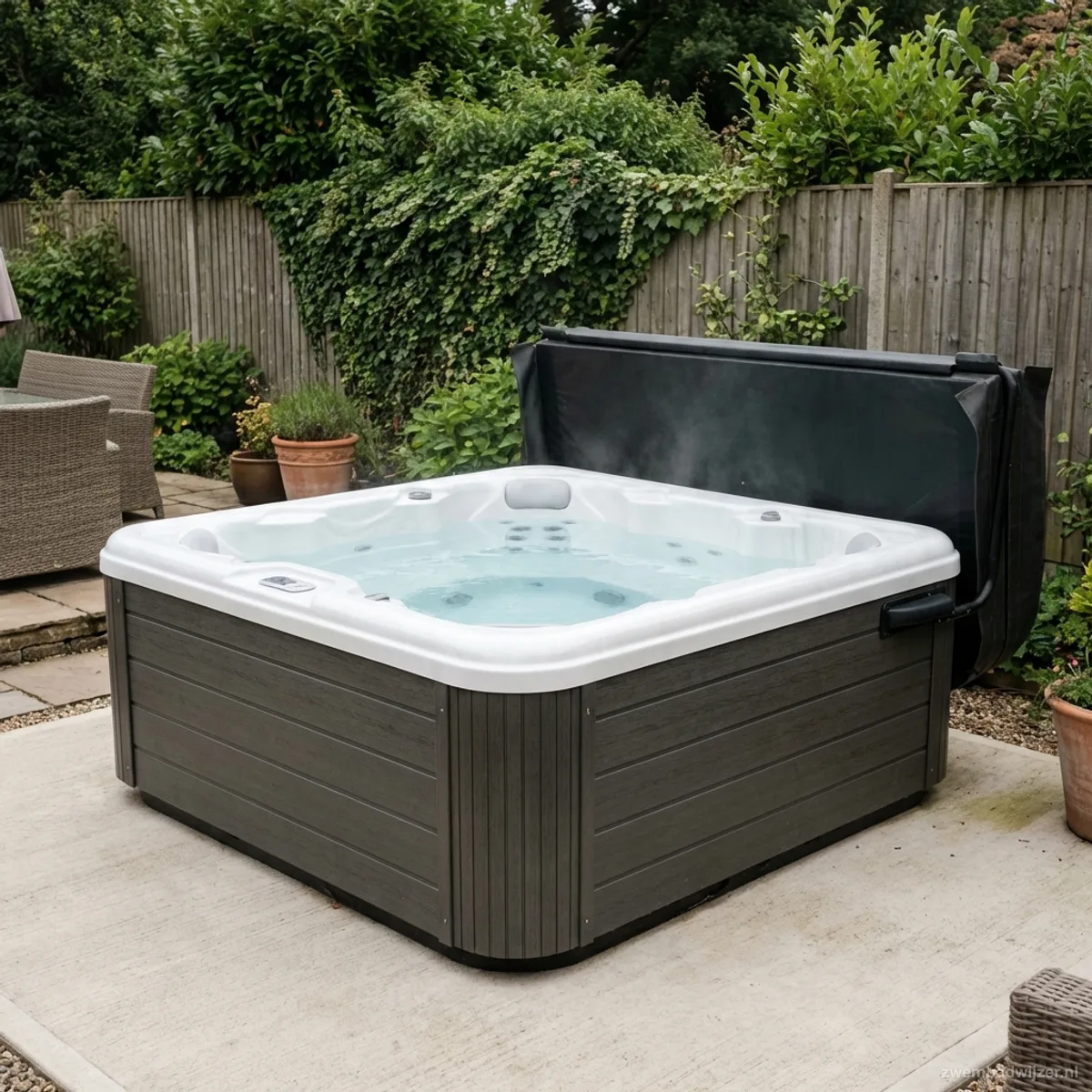
A hardshell outdoor hot tub is built from acrylic or rotomoulded polyethylene with rigid insulation panels on all sides. Water capacity is 800 to 1,800 liters and prices range from €3,000 to €10,000.
The key difference from an inflatable is the hydrotherapy jets. Hardshell models have 10 to 50 water jets positioned at key muscle groups (back, shoulders, feet, legs), providing genuine massage therapy. Water is pumped at 1 to 3 bar using a 2 to 4 kW motor.
Placement requirements
Place the hot tub on a flat, load-bearing surface. A filled 6-person hot tub weighs 1,800 to 2,500 kilograms including water and occupants. Cast concrete or paving slabs are ideal. A wooden deck must be specifically reinforced for this weight.
Most models under 2.5 kW run on a standard 230V socket. Larger models need a 400V three-phase supply. Always use a qualified electrician for the electrical connection. An insulated cover is essential for year-round outdoor use and will cut running costs significantly.
Hot tub size guide: 4-person vs 6-person
The most popular configurations are 4-person and 6-person models. Here is a side-by-side comparison:
| Capacity | Diameter/Size | Water volume | Heat-up time (from 20°C) | Price range |
|---|---|---|---|---|
| 2-3 person | 150-160 cm round | 600-900 L | 6-8 hours | €300-€2,500 |
| 4 person | 180-190 cm round | 900-1,200 L | 8-12 hours | €400-€5,000 |
| 6 person | 196-220 cm round | 1,200-1,600 L | 10-14 hours | €600-€8,000 |
| 6-8 person (square) | 210 x 210 cm | 1,400-2,000 L | 12-16 hours | €4,000-€12,000 |
Heat-up times are based on a 2 kW heater at an ambient temperature of 10°C. A heat pump heats water faster: a 3 kW heat pump cuts heat-up time in half compared to a resistance heater.
Premium hot tubs: luxury features worth knowing
Premium hot tubs from brands like Villeroy & Boch, Wellis, Aquavia, or Hydropool cost €8,000 to €20,000. Features include waterfall jets, neck jets, LED lighting, integrated audio systems, and Wi-Fi app control.
A key difference in premium models is integrated water treatment technology: ozone systems or salt chlorination reduce chlorine requirements by 50 to 80 percent, making the water more comfortable for people with sensitive skin.
Running costs: what to expect
Energy is the biggest ongoing cost of hot tub ownership. Based on an electricity price of €0.30 per kWh:
| Type | Daily use (standby mode) | Monthly cost — summer | Monthly cost — winter |
|---|---|---|---|
| Inflatable (low insulation) | 3-5 kWh | €27-€45 | €54-€90 |
| Inflatable (with insulated cover) | 1.5-3 kWh | €14-€27 | €27-€54 |
| Hardshell (good insulation) | 1-2 kWh | €9-€18 | €18-€36 |
| Premium with heat pump | 0.5-1 kWh | €4.50-€9 | €9-€18 |
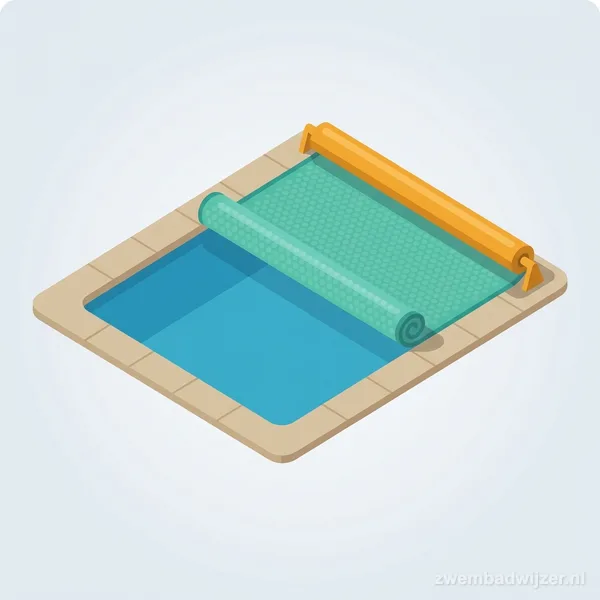
A thermal cover is the single best investment for reducing costs: it saves an average of €200 to €400 per year. Pairing this with a pool heat pump where possible gives the best combination of performance and efficiency.
Water quality in a hot tub
A hot tub demands more water quality attention than a swimming pool because of the high water temperature (38 to 40°C) and intensive use. At 38°C, chlorine dissipates faster and bacteria multiply rapidly.
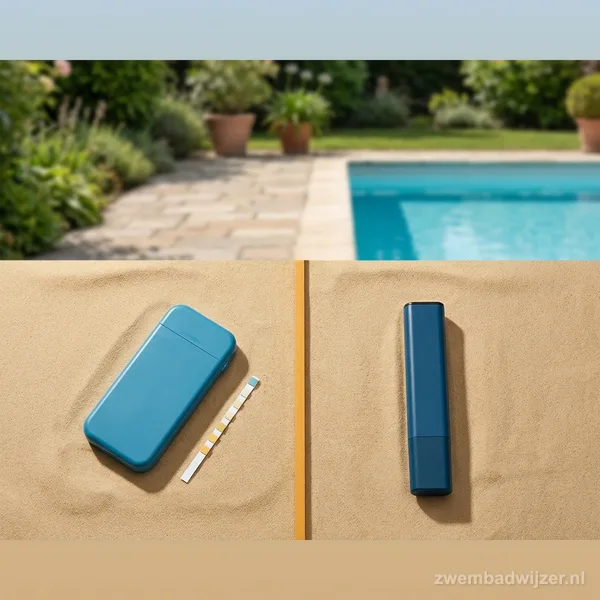
Test pH and chlorine after every use. Target values: pH 7.2 to 7.6, free chlorine 3 to 5 mg/l. Getting your pool water pH right applies equally to hot tubs. Replace the water completely every 3 to 4 months regardless of how clean it looks.
Built-in hot tubs: the premium permanent option
A built-in spa or jacuzzi (€8,000 to €25,000+) is recessed into a deck or wooden platform. The advantages are aesthetic and practical: no visible cabinet, lower step-in height, and cleaner integration with the garden.
Built-in hot tubs are often combined with a swimming pool or outdoor wellness area. Installation requires an excavation pit, drainage, and electrical connections. Plan for 3 to 7 days of installation time.
Which hot tub is right for you?
Choose an inflatable hot tub if your budget is under €800, you only want to use it in summer, and you don’t have a permanent outdoor space set up. A good way to discover whether hot tub ownership suits you.
Choose a hardshell outdoor hot tub if you want year-round use, value genuine hydrotherapy jets, and want a lifespan of 10 to 20 years. The higher purchase price is offset by lower running costs and a better experience.
Choose a built-in hot tub if you want a permanent wellness installation that integrates seamlessly into your garden or terrace.
Frequently asked questions
How much does an inflatable hot tub cost to run per month?
An inflatable hot tub uses roughly 1.5 to 3 kWh per day when kept at 38°C continuously. At an electricity price of €0.30 per kWh that works out to €14 to €27 per month in summer. In winter, heat loss can push this up to €40 to €80 per month.
What is the difference between a hot tub and a jacuzzi?
Jacuzzi is a brand name; hot tub is the generic term. In everyday use they refer to the same thing: a heated tub with massage jets or air bubbles. A spa is a broader category that can also include swim spas and pool-spa combinations.
How long does an inflatable hot tub last?
A good-quality inflatable hot tub from Lay-Z-Spa, Intex, or MSpa will last 3 to 6 years with proper care. Lifespan depends heavily on water chemistry management, UV exposure, and off-season storage.
How many people fit in a hot tub?
The most popular hot tubs seat 2 to 6 people. A 4-person model is the most common and measures roughly 180 centimeters in diameter. A 6-person model runs 196 to 220 centimeters across.
Do I need to use chlorine in a hot tub?
Yes. The higher water temperature (38-40°C) and frequent use of a hot tub mean it actually needs more disinfection than a swimming pool. Maintain a free chlorine level of 3 to 5 mg/l and check after every use. Bromine tablets are a popular alternative to chlorine in hot tubs.