Cloudy pool water is always a symptom of an underlying problem. Start by identifying the cause. Test pH and chlorine before adding anything.
The four most common causes
1. Water chemistry imbalance: pH above 7.8, chlorine below 1.0 mg/l, or high calcium hardness. Fix: test all parameters and correct in order: alkalinity, pH, chlorine.
2. Clogged or insufficient filter: a dirty sand filter cannot clear fine particles. Fix: backwash the filter (3 to 5 minutes), then increase filtration time to at least 12 hours per day.
3. Early-stage algae growth: greenish cloudy water indicates algae. See our article on green pool water.
4. Heavy bather load: after a party with many swimmers, the chlorine is overwhelmed by sweat, sunscreen and other organics. Fix: perform a shock treatment.
Step-by-step fix for cloudy water
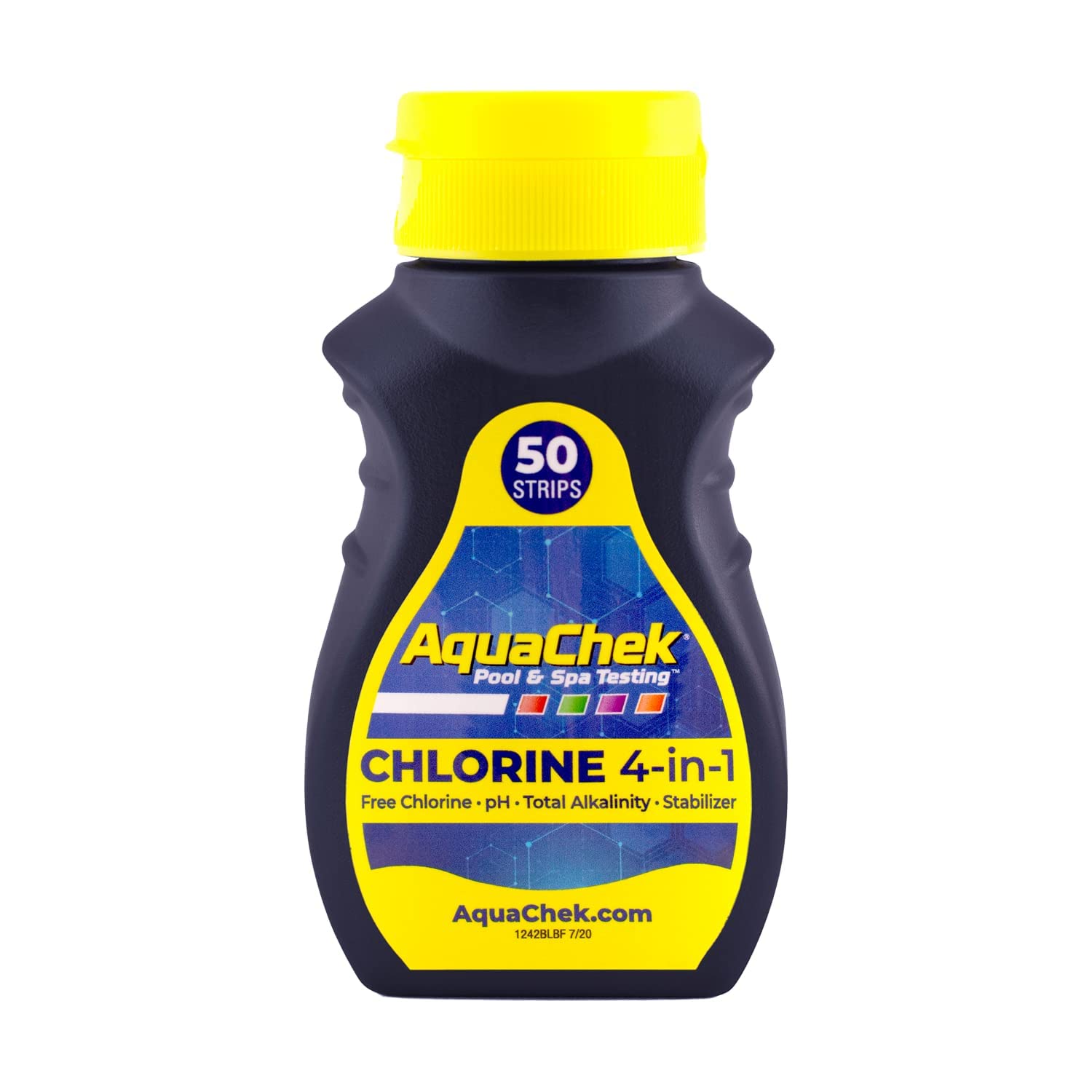
- Test the water: pH, free chlorine, alkalinity
- Correct chemistry: pH 7.2 to 7.6, chlorine 1.0 to 3.0 mg/l, alkalinity 80 to 120 mg/l
- Backwash the filter
- Increase filtration time to at least 12 hours per day
- Add flocculant for persistent cloudiness (sand filters only)
- Vacuum the pool floor after flocculant settles (12 to 24 hours)
Important
Do not swim in cloudy water. Cloudy water indicates the chemistry is off. It can irritate eyes, skin and ears. Fix first, swim after.
Prevention
- Test pH and chlorine 2 to 3 times per week
- Run the pump at least 8 hours per day, 12 hours in hot weather
- Add preventive algicide weekly in warm, sunny periods
- Backwash the filter weekly
- Cover the pool when not in use
Systematic diagnosis: find the cause before you treat
Never add chemicals to cloudy water without testing first. Adding clarifier to chemically imbalanced water is ineffective and wastes money.
Step 1: Test the water. If free chlorine is below 0.5 mg/l and pH is outside 7.2 to 7.6, chemistry is the primary cause. Correct alkalinity, then pH, then chlorine. Reassess clarity after 24 hours before doing anything else.
Step 2: Check filtration hours. A 30 m3 pool needs at least 10 to 12 hours of filtration per day at 28°C. Running the pump only 6 hours is a common cause of persistent cloudiness in summer.
Step 3: Check filter pressure. A reading 0.5 bar above the clean baseline means the filter is clogged. Backwash it. Water clarity should improve within 24 hours of a good backwash.
Step 4: Read the colour of the cloudiness. Milky white or grey: likely calcium precipitation (check Langelier Saturation Index, water may be hard and pH was recently raised too fast). Green or brown tint: early algae growth (shock with 20 to 30 mg/l free chlorine). Uniform hazy grey-white without tint: fine suspended particles (use a clarifier or flocculant).
Step 5: Check for air in the system. Air bubbles scatter light and make water appear milky. Check the pump strainer lid O-ring for air ingestion. Bubbles visible in the return jets confirm air in the system.
Clarifier versus flocculant: which one to use?
Clarifier (polyelectrolyte coagulant): causes fine suspended particles to clump together into larger particles that the filter can capture. Add 50 to 100 ml per 25 m3. Keep the pump running on FILTER. Results visible after 12 to 24 hours. Works with both sand filters and cartridge filters.
Flocculant: stronger clumping agent. Particles form visible floc that sinks to the pool floor as sediment instead of being filtered. After adding flocculant, run the pump on low for 1 hour then switch off for 8 hours. Vacuum the floor on the WASTE setting (bypassing the filter). Do not use flocculant with cartridge filters: it clogs them permanently.
Daily filtration time by water temperature
| Water temperature | Minimum daily filtration |
|---|---|
| Below 15°C | 4 hours |
| 15 to 20°C | 6 hours |
| 20 to 25°C | 8 hours |
| 25 to 30°C | 10 to 12 hours |
| Above 30°C | 12 to 16 hours |
At 30°C, algae and bacteria grow 4 to 8 times faster than at 20°C. Insufficient filtration time is the single most common cause of summer cloudiness.
When cloudy water signals a bigger problem
If the water is cloudy and there is a greenish or brownish ring on the waterline, active algae are growing on the walls. Filtration alone cannot clear this. Shock the pool first with 20 mg/l free chlorine, add algicide, then run the filter continuously for 24 hours. Backwash daily until the water is clear.
The most effective way to prevent cloudy water is to brush the walls weekly, even when they look clean. Biofilm on pool surfaces contains bacteria and algae spores that detach into the water. Brushing removes the film before it grows into a visible problem.